Understanding Different Art Mediums: Which One Suits You?
The medium you choose shapes not just your finished artwork, but your entire creative experience. Each has distinct characteristics, learning curves, and emotional qualities. Understanding these differences helps you pick the right starting point.
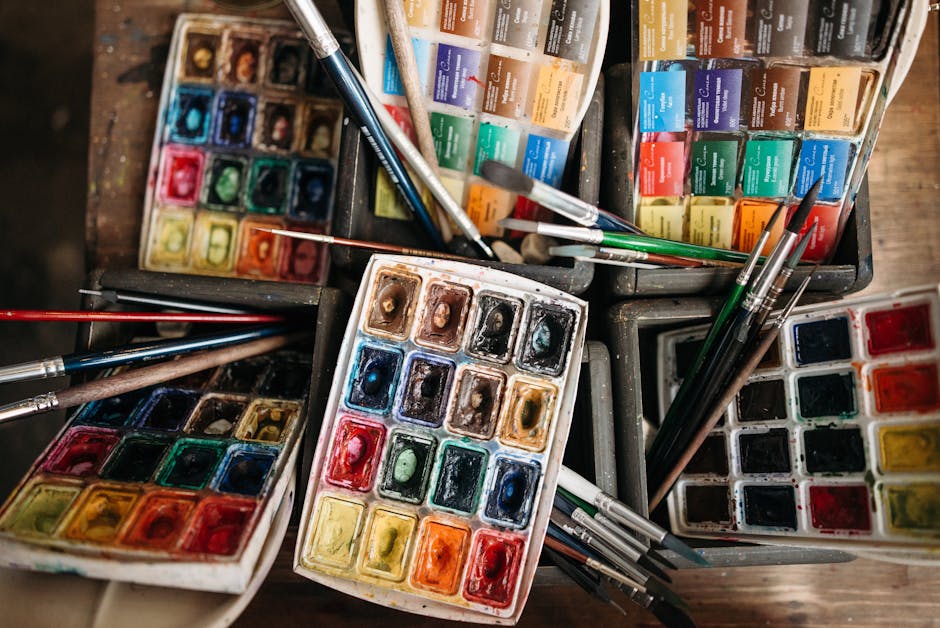
Watercolour is transparent and fluid, ideal if you love spontaneity and working quickly. It's forgiving in some ways—you can lift colour off with water—but unforgiving in others, as you can't easily paint light over dark. It's relatively affordable and requires minimal setup, making it perfect for experimenting at home.
Acrylic offers versatility and speed. It dries fast, so you can layer quickly, and mistakes are easy to cover. It works on almost any surface and cleans up with water. Many artists use acrylics as their foundation before progressing to oils.
Oil paint has a richness and depth that attracts serious painters. It stays wet for hours, allowing blending and reworking, but requires solvents for cleaning and proper ventilation. It's more expensive and demands more commitment, but the results can be stunning.
Drawing with graphite, charcoal, or coloured pencils builds fundamental observational skills. There's minimal equipment needed, making it accessible and portable. Charcoal is expressive and forgiving; graphite is precise; coloured pencils offer control and vibrant colour.
Pastels blend beautifully and create soft, atmospheric work. Soft pastels are more forgiving than hard pastels, though both require fixative spray to preserve finished pieces.
Printmaking (linocut, etching, screen printing) suits those who enjoy technical processes and producing multiple copies. It's often taught in structured courses because it requires specific equipment.
Sculpture and ceramics appeal to tactile learners. Ceramics especially offers immediate gratification—you can make functional pieces—though it requires access to a kiln. Stone or wood sculpture demands physical stamina but feels deeply rewarding.
Consider your personality. Do you like quick results? Try acrylics or pastels. Prefer precision and detail? Graphite or coloured pencils. Want to work spontaneously? Watercolour or charcoal. Enjoy problem-solving and technique? Oils, printmaking, or ceramics.
In Bristol, most art schools teach multiple mediums. Consider trying introductory classes in several before committing to one. Many artists eventually work across several mediums, using each where it serves their vision best. There's no single "right" choice—only the one that resonates with you.